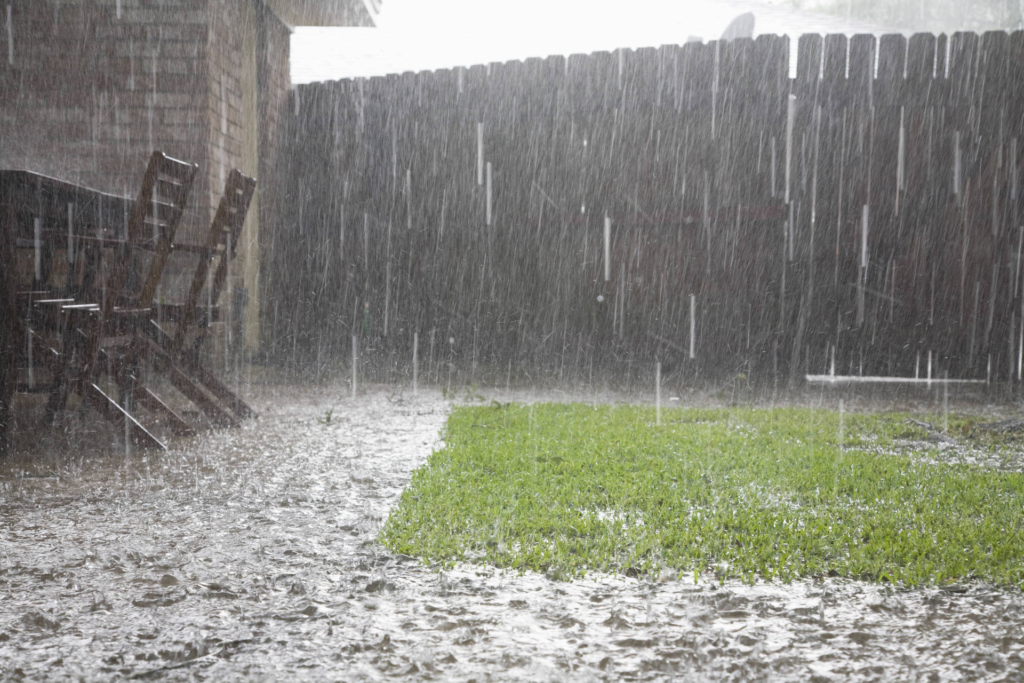
The Mystery of the Rain-Triggered Septic Tank Smell: How to Get Rid of It
Imagine this: You’re enjoying a beautiful day, the rain is pattering down, and you're relaxing on your porch. Suddenly, a nasty, unmistakable odor hits your nose. You know exactly what it is: that classic septic tank smell. You’ve been here before, and it always seems to happen after a good downpour. What gives? Why does your septic system seem to release its unwelcome scent right after rain?
Don't worry, you're not alone! This is a common problem, and it's usually not a sign of an impending septic disaster. The culprit is often a simple matter of water levels and how your septic system operates. But first, let's understand why that rain smell appears in the first place.
The Science Behind the Septic Smell
Your septic system is like a tiny, underground sewage treatment plant. It's designed to break down waste using bacteria. These bacteria do their best to decompose the solid waste, turning it into a sludge. The water then flows through a series of pipes and eventually out to a drain field. This drain field helps to further filter the water, releasing it back into the environment.
The issue is that bacteria need just the right conditions to thrive. Too much water, and they can become overwhelmed, struggling to keep up with the workload. This is where the rain comes in.
The Rain's Role in Septic Odors
When heavy rain falls, the water can seep into your septic tank through various pathways. Here's how it happens:
- Overflow from downspouts: If your downspouts are directing rainwater directly towards your septic tank or drain field, the extra water can overload the system, causing the tank to back up and release the odor.
- Poorly maintained drain field: A clogged or damaged drain field can’t filter the water efficiently, leading to a backup and the release of that unpleasant smell.
- Cracked or broken pipes: If your septic system has cracks in the pipes, rainwater can easily seep in, overloading the tank.
- Saturated soil: Heavy rain can saturate the soil around your septic system, preventing proper drainage. This can create a pressure build-up, forcing wastewater back up and out of the tank.
Essentially, the rain throws off the delicate balance in your septic system, causing the bacteria to struggle and the system to release those telltale gasses.
Tackling That Rain-Triggered Odor
Now that you understand the why, let's move on to how to fix the problem. You can usually handle the issue yourself, but if you suspect a serious problem, it's best to call a professional.
Preventative Measures
Let's start with the most important steps to prevent the problem from recurring:
- Direct downspouts away: Make sure your downspouts are directed at least 10 feet away from your septic tank and drain field. This helps prevent rainwater from overwhelming the system.
- Keep the drain field clear: Avoid parking vehicles or building structures over your drain field. Make sure the area is free of debris and vegetation.
- Minimize water usage: During heavy rain, try to conserve water as much as possible. Avoid using appliances that add to your water usage, like washing machines and dishwashers.
- Regular septic tank maintenance: A regular septic tank inspection and pumping every 3-5 years can prevent clogs and ensure your system is working efficiently.
- Check for leaks: Regularly inspect your septic system for any signs of cracks, breaks, or leaking pipes. Address these issues promptly.
Quick Fixes for the Rain-Triggered Odor
If you’re dealing with the smell right now, here are some temporary solutions:
- Ventilate the area: Open windows and doors to air out the house.
- Use a fan: A fan can help circulate the air and remove the odor more quickly.
- Use baking soda or vinegar: Sprinkle baking soda or vinegar on the ground around your septic tank to help neutralize the odor.
- Try a deodorizer: There are commercial septic deodorizers available that can help mask the smell.
When to Call a Professional
If the odor persists, is exceptionally strong, or you notice other problems like slow drains or sewage backing up, it’s time to call a professional septic tank contractor. They can inspect your system, identify the source of the problem, and offer solutions.
Commonly Asked Questions
Here are some of the most frequent questions people have about septic tank odors after rainfall:
What if my septic system is new?
Even new septic systems can experience odors after rain. It's important to ensure your system is properly installed and maintained to prevent problems. If you suspect a problem with a new system, contact a contractor immediately.
How often should I pump my septic tank?
The frequency of pumping depends on the size of your tank and your household’s water usage. It's generally recommended to pump your tank every 3-5 years, but a professional can help you determine the optimal schedule for your specific situation.
What if I have a backup in my house?
A backup in your house is a serious issue and needs immediate attention. Don't delay contacting a professional septic tank contractor.
Keep in mind that these are just some common questions and answers. If you're experiencing unusual odors or problems with your septic system, don't hesitate to reach out to a professional for guidance and solutions.
0 comments:
Post a Comment
Note: Only a member of this blog may post a comment.