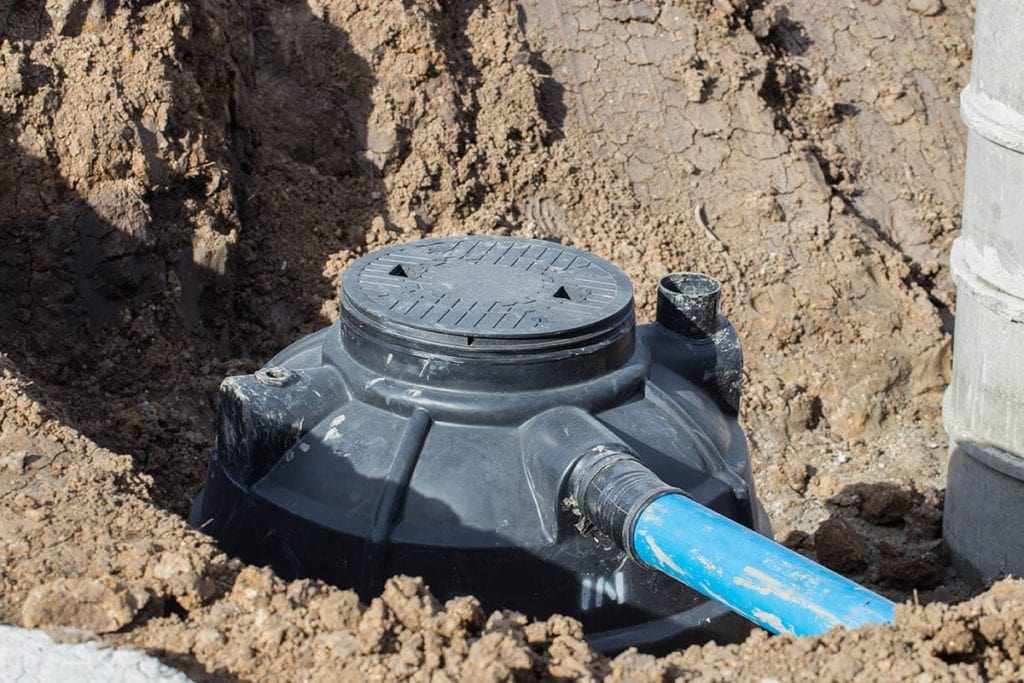
How to Neutralize Septic Tank Smells in Your House and Garden: A Guide to Fresh Air
Let's face it, nobody likes the smell of a septic tank. It's unpleasant, embarrassing, and can even be a sign of a bigger problem. But before you start panicking, know that there are ways to neutralize those odors and keep your home smelling fresh.
Understanding the Source of the Smell
First, it's important to understand where those awful smells are coming from. Septic tanks are designed to break down waste, and this process involves bacteria that produce gases like hydrogen sulfide (which smells like rotten eggs). These gases can escape if the tank is full, if there's a crack in the system, or if the vent pipe is clogged.
Tackling the Smells Inside Your Home
If you're smelling the septic tank inside your home, it's usually a sign that the vent pipe is clogged, the system is overloaded, or there's a leak. Here's how to tackle the problem:
Check the Vent Pipe
Your septic system has a vent pipe that allows gases to escape. This pipe usually sticks out on your roof, and it's possible it's clogged with debris or bird nests. If you see a blockage, try clearing it with a wire brush or a shop vacuum. Be careful when cleaning the vent pipe, as it might be slippery.
Address Overloading
If you're a larger household or frequently have guests, your septic system might be overloaded. This can lead to backups and odors. Here's how to avoid overloading your system:
Look for Leaks
If your septic system is leaking, it's essential to get it fixed. A leak can be hazardous and contribute to odor issues. Look for damp spots in your yard or around the septic tank itself. If you suspect a leak, contact a professional plumber for a proper diagnosis.
Deodorizing Your Home
Once you've addressed the underlying issue, you can use these methods to neutralize any lingering odors:
Eliminating Septic Tank Odors in Your Garden
Septic tank odors can sometimes seep into your garden, making it unpleasant to enjoy your outdoor space. Here's how to combat those smells:
Plant Odor-Absorbing Plants
Certain plants are excellent at absorbing and neutralizing odors. Planting these around your septic tank or vent pipe can help reduce those unpleasant smells.
Use Mulch
Mulching your garden can help absorb odors and create a barrier between the soil and the air. Use natural mulches like wood chips, straw, or bark.
Add Organic Compost
Compost is a great way to improve soil health and neutralize odors. Adding compost to your garden can help absorb smells and create a more pleasant environment.
Keep Your Yard Aerated
A well-aerated yard helps circulate air and reduce the build-up of odors. Make sure your lawn is properly mowed and that there are no areas where water can stagnate.
Preventing Future Odors
The best way to deal with septic tank odors is to prevent them in the first place. Here are some tips for maintaining a healthy septic system:
When to Call a Professional
If you're still experiencing septic tank odors after trying these home remedies, it's time to call a professional. A plumber can inspect your system, identify any leaks or blockages, and recommend appropriate solutions.
Commonly Asked Questions
Why does my septic tank smell like rotten eggs?
The rotten egg smell is often caused by hydrogen sulfide gas, produced by bacteria breaking down waste in the septic tank.
What should I do if my septic tank is overflowing?
If your septic tank is overflowing, contact a professional plumber immediately. This is a serious situation that requires immediate attention.
Can I use bleach to get rid of septic tank smells?
While bleach can kill bacteria and temporarily mask odors, it can also harm the beneficial bacteria in your septic tank. It's best to avoid using bleach in your septic system.
Dealing with septic tank odors can be frustrating, but with the right approach, you can keep your home and garden smelling fresh. Remember to follow the tips above and consult a professional if you're unsure about anything.
0 comments:
Post a Comment
Note: Only a member of this blog may post a comment.