Septic Tank Odor Fix: How to Eliminate the Smell for Good
A pungent odor wafting from your bathroom or yard can be a telltale sign of a septic system in distress. While a little sniff can be a normal occurrence, a persistent, foul smell is a clear indication that something needs attention. Don't let the stench take over your home â€" you can conquer the odor and restore freshness to your space. Follow these steps to identify the source of the stench and eliminate it for good.
Investigate the Source of the Smell
Before launching into a full-blown odor-elimination mission, you need to find the source of the problem. The smell could be coming from:
- The septic tank itself: If the tank is overloaded or not working properly, it can release gases into the air.
- The drainfield: The drainfield is where wastewater is filtered. If it's clogged or damaged, it can cause odors to escape.
- The plumbing: Leaks or cracks in your plumbing can allow sewage to escape and create a foul odor.
- Your vent stack: The vent stack is a pipe that allows air to enter your septic system and prevent pressure buildup. A blockage in the vent stack can cause odors to back up into your home.
Once you've identified the source of the smell, you can take the appropriate steps to eliminate it.
Solutions for a Smelly Septic Tank
Depending on the source of the odor, you can take a variety of measures. Here are some common solutions:
Tackling Tank Issues
- Pumping: A full septic tank is a major culprit for foul odors. Schedule regular pumping every 3-5 years, or more often if you have a large family or use a lot of water.
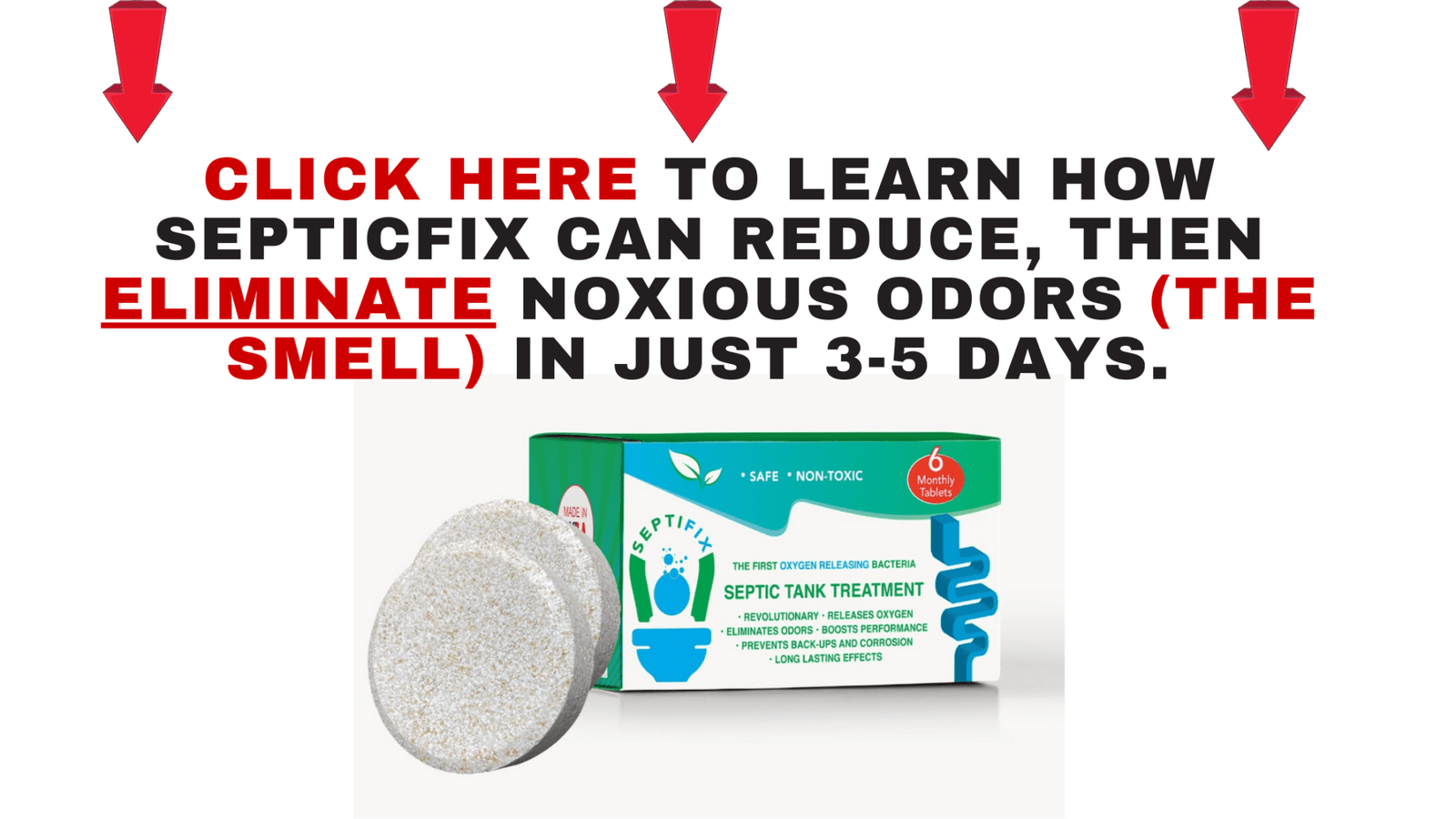
- Additives: Septic tank additives can help break down waste and reduce odors. Look for products that contain beneficial bacteria and enzymes. Follow the manufacturer's instructions carefully.
- Proper Waste Disposal: Avoid flushing non-biodegradable items like wipes, feminine hygiene products, and paper towels. These can clog your system and contribute to odors.
Addressing Drainfield Problems
- Inspect the Drainfield: Check for signs of damage or blockage. You may need professional help to diagnose and repair any issues.
- Avoid Heavy Traffic: Don't drive or park vehicles over your drainfield as it can compact the soil and hinder drainage.
- Proper Landscaping: Plant grass or other shallow-rooted plants over your drainfield to encourage proper water infiltration.
Fixing Plumbing Leaks
- Locate and Repair Leaks: Inspect your plumbing for visible leaks or cracks. Consult a professional plumber to fix any leaks promptly.
- Check Traps: P-traps under sinks and tubs prevent sewer gases from entering your home. Ensure they are filled with water to act as a barrier.
Clearing Vent Stack Blockages
- Inspect the Vent Stack: Check for any visible blockages, such as bird nests or debris. You may need professional help to clear the vent stack.
Additional Tips to Eliminate Septic Tank Odor
In addition to addressing the source of the smell, you can take these extra steps to minimize odors:
- Ventilate: Open windows and doors to allow fresh air to circulate. This can help dissipate odors.
- Air Freshener: Use air fresheners in the affected areas, but choose natural options like essential oils or baking soda. Avoid strong scents that can mask odors and make it harder to detect any underlying problems.
- Deodorizers: Place bowls of baking soda or charcoal in the affected areas to absorb odors. These can also be placed in the toilet tank to minimize bathroom smells.
- Regular Cleaning: Clean your bathroom regularly to prevent odors from building up. Use a bleach-based cleaner to disinfect surfaces and remove bacteria. Use a disinfectant cleaner in your laundry room as well.
When to Call a Professional
While many odor issues can be resolved with simple solutions, some require expert intervention. Call a licensed septic system professional if:
- You have tried all the above steps and the odor persists.
- You suspect a serious problem with your septic tank or drainfield.
- You notice signs of a failing septic system, such as pooling water, slow draining, or gurgling sounds.
A professional can diagnose the problem and recommend the best course of action. They can also perform necessary repairs and maintenance to ensure your septic system functions properly and stays odor-free.
0 comments:
Post a Comment
Note: Only a member of this blog may post a comment.